The panic button
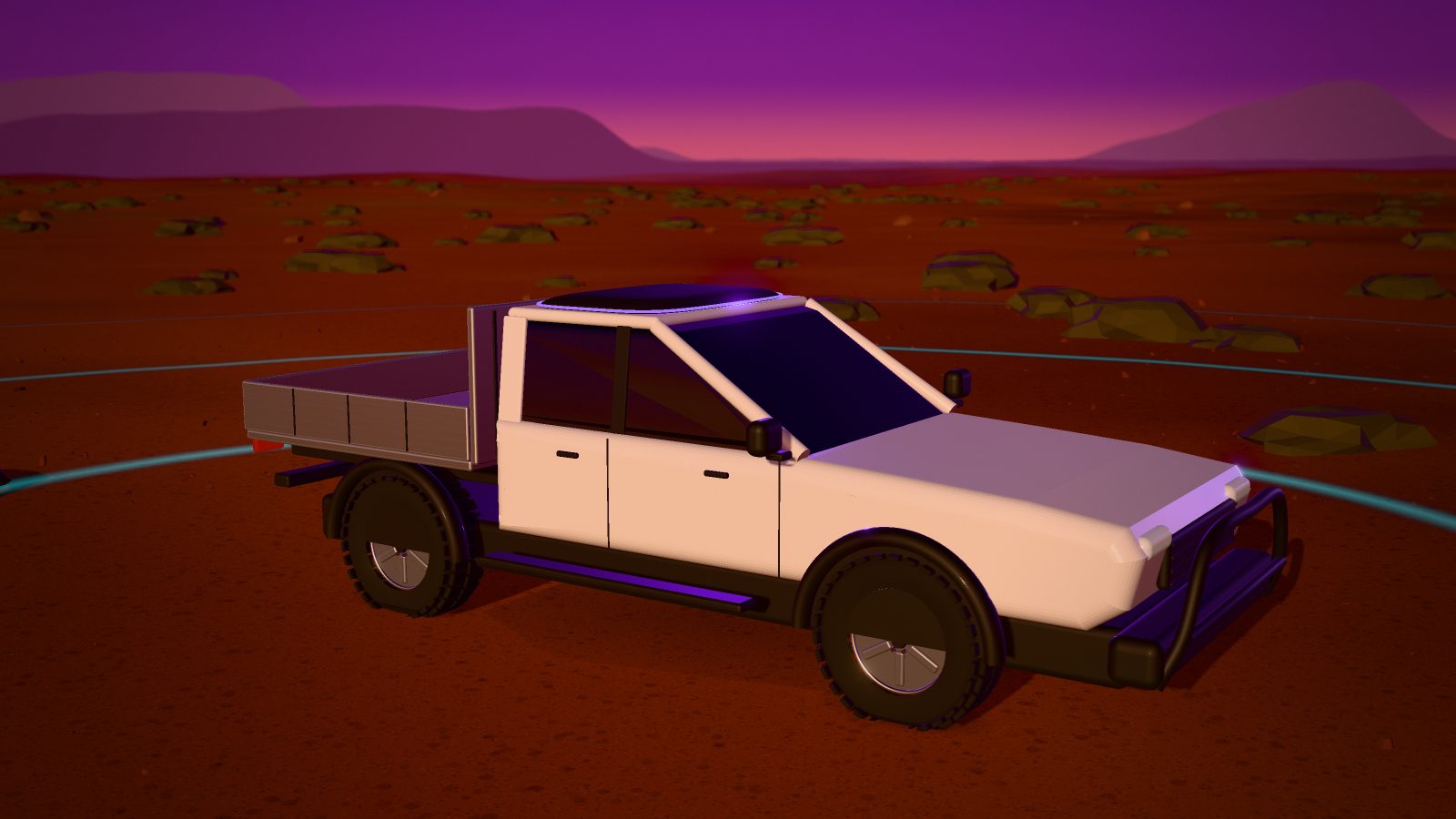
A simple, rugged SOS button worn by the worker. It does one thing, and does it reliably: pressed, it sends the alarm.

Lone Worker SOS
A panic button that reaches help from where mobile coverage ends. When a lone worker presses SOS, help is already moving.
Across Australia, people work alone every day: at reservoirs and pump stations, on mine benches, in rail cuttings, along transmission easements, in back paddocks and deep in national parks. Many of those places have no mobile signal. If something goes wrong, the hardest part is often simply letting someone know.
Lone Worker SOS closes that gap. A rugged panic button sends the alarm, the work vehicle carries it out of the valley, and a control centre sees who needs help and where, in seconds.
Under Australia's model Work Health and Safety Regulations (regulation 48), a business must manage the risks to remote or isolated workers, including providing a way to communicate with them effectively. Lone Worker SOS gives you that link where a phone can't. Read our guide to working alone laws in Australia.
Lone Worker SOS is one continuous response, not a checklist. The alarm, the relay, the console and the dispatch all move at once.
A simple, rugged SOS button worn by the worker. It does one thing, and does it reliably: pressed, it sends the alarm.
A long-range radio gateway in the work vehicle hears the button across the site, so the alarm doesn't depend on a phone tower.
Where mobile can't reach, the vehicle sends the alarm out by satellite. If every link drops, the alarm is held and forwarded the moment one returns.
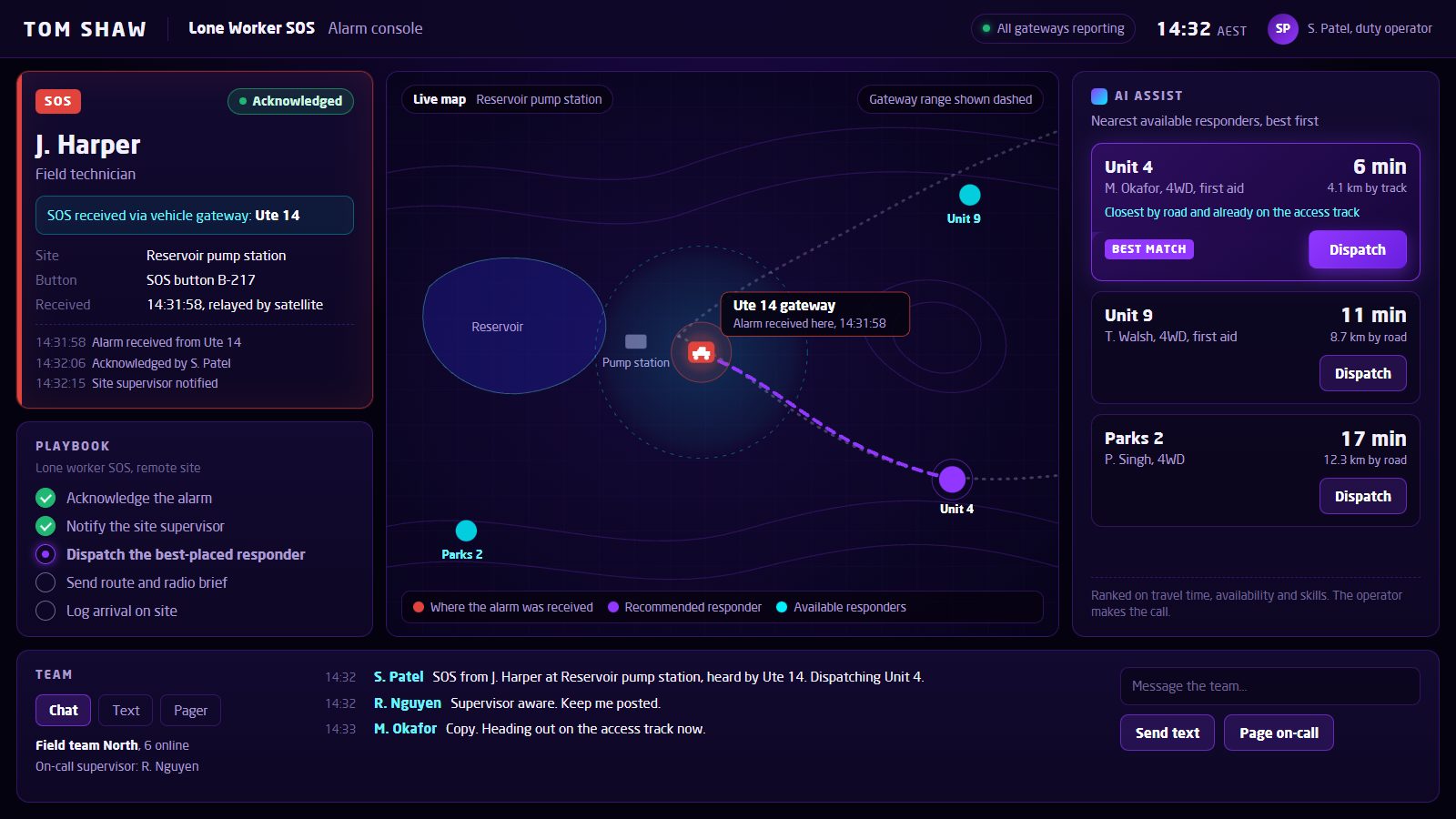
Control sees who pressed, which button, where the alarm was received and a live map. They acknowledge, open the playbook, and reach the team by chat, text or pager.
AI ranks the nearest available responders, so the operator can dispatch the right one with a single click.
The responder gets the route and a radio brief from the operator. Every action is logged, from the press to the arrival.
From the button on a worker's vest to the operator's screen, everything works together the moment SOS is pressed.


The same system across six Australian settings. Each one is a short, narrated 3D walkthrough of a real-world kind of emergency.
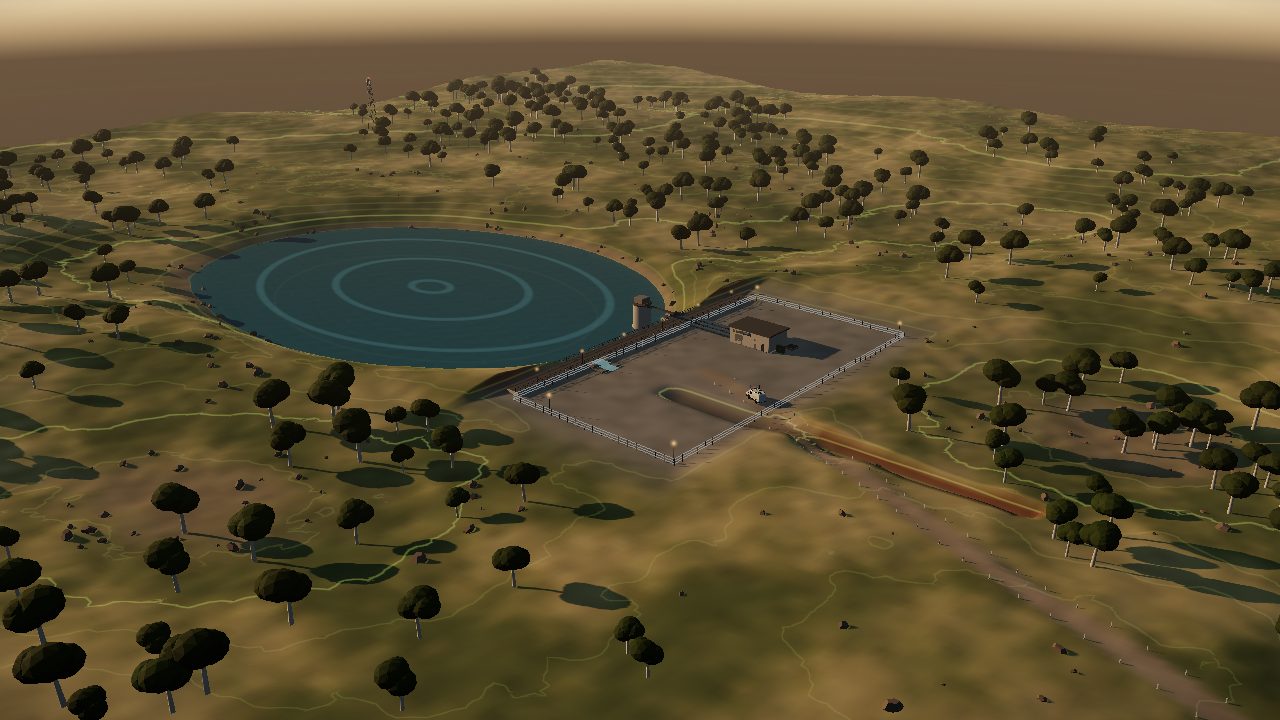 Water utilities
A field worker slips on a wet spillway at a remote reservoir, out of mobile range.
Watch the scenario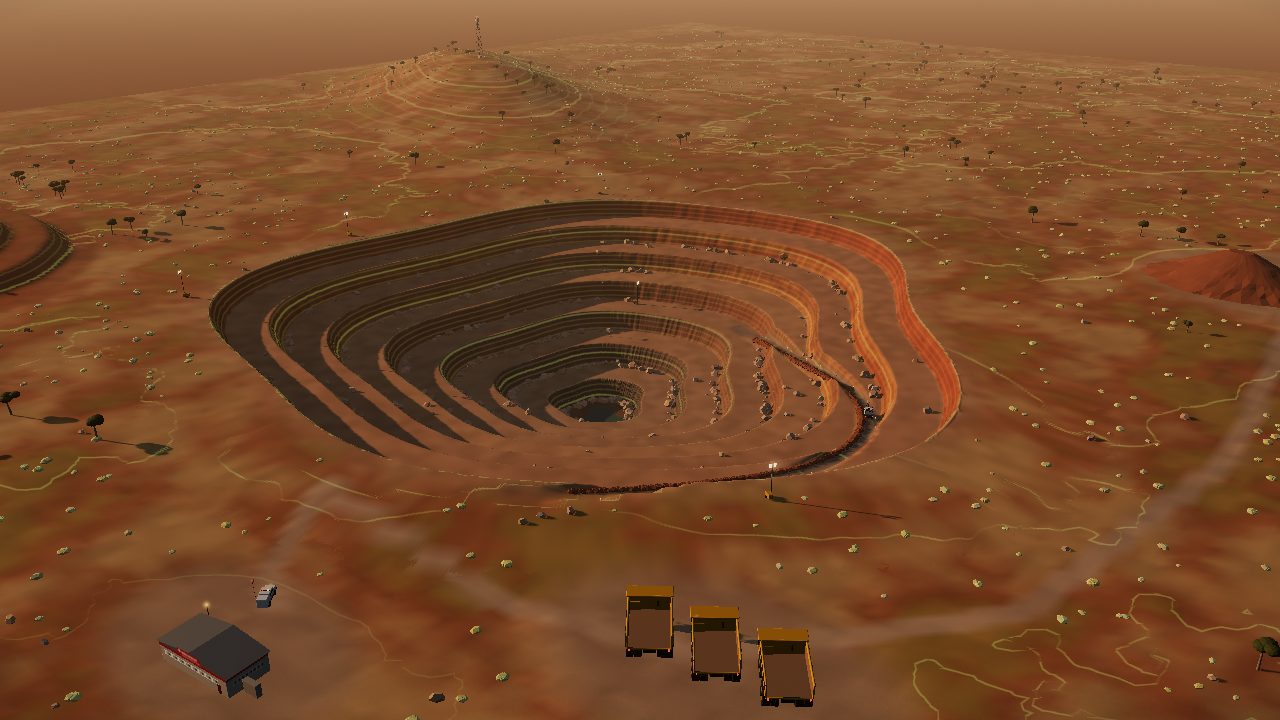 Mining
A rockfall on a bench of an open-pit mine, deep below any phone signal.
Watch the scenario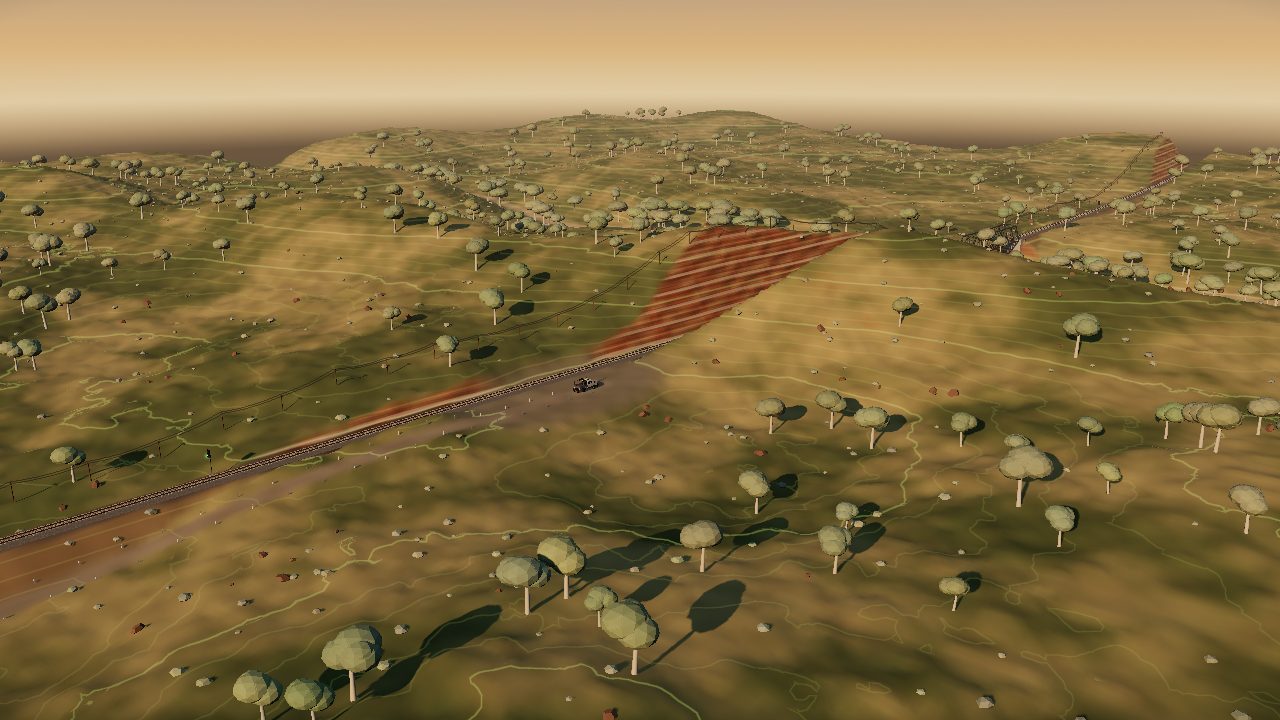 Rail
Rail
A track worker slips on loose ballast in a cutting. Trains are held either side.
Watch the scenario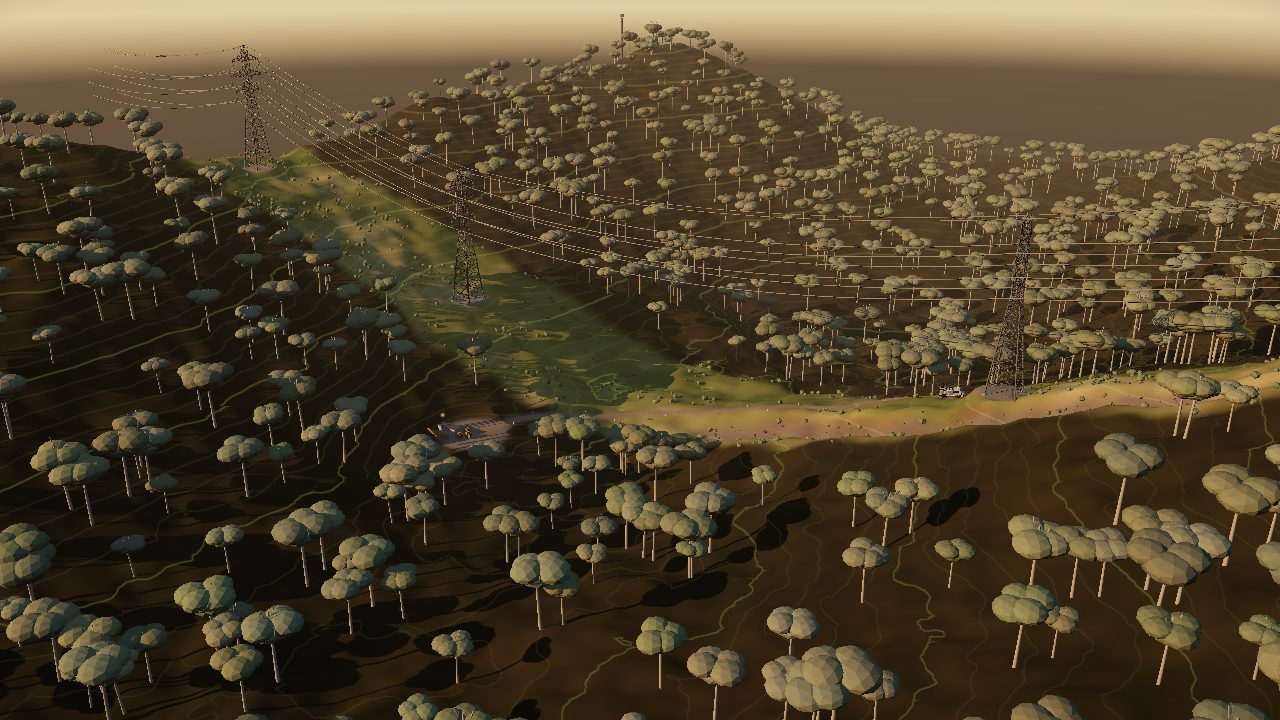 Power networks
A line worker slips on a rocky slope at a tower deep in the ranges. The line is placed on hold.
Watch the scenario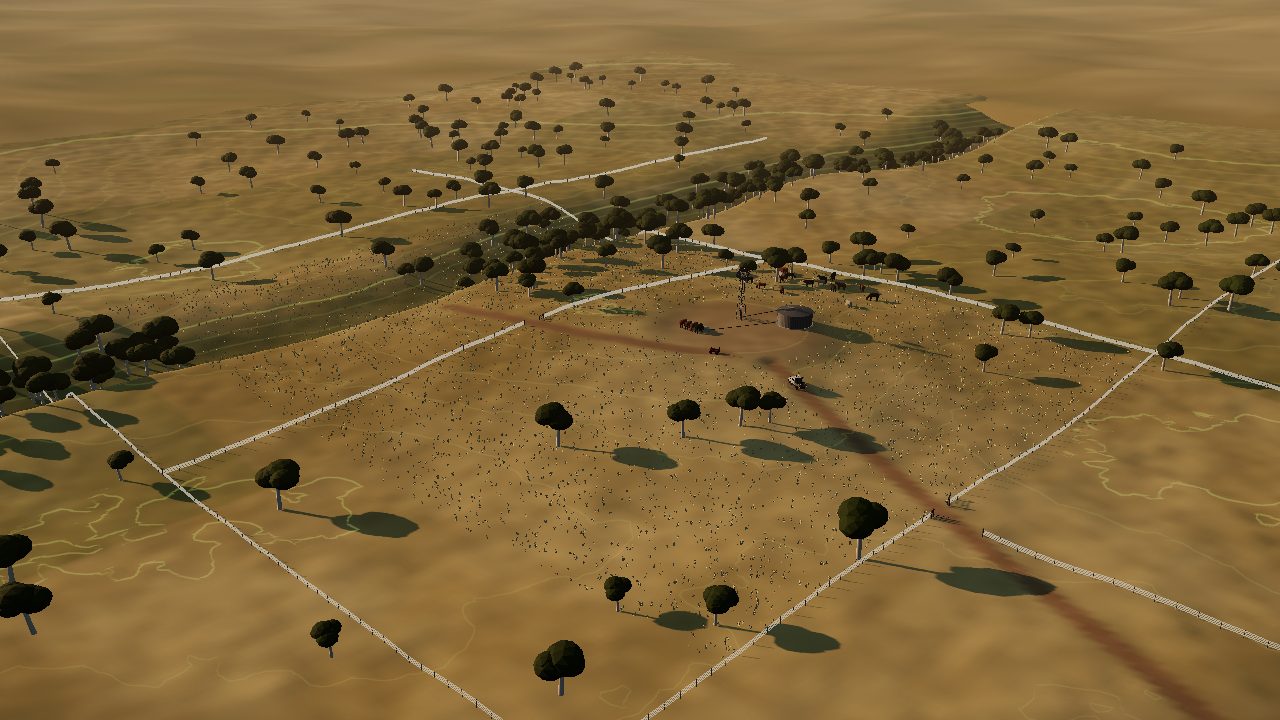 Agriculture
A quad bike tips over in a gully on a remote station, hours from town.
Watch the scenario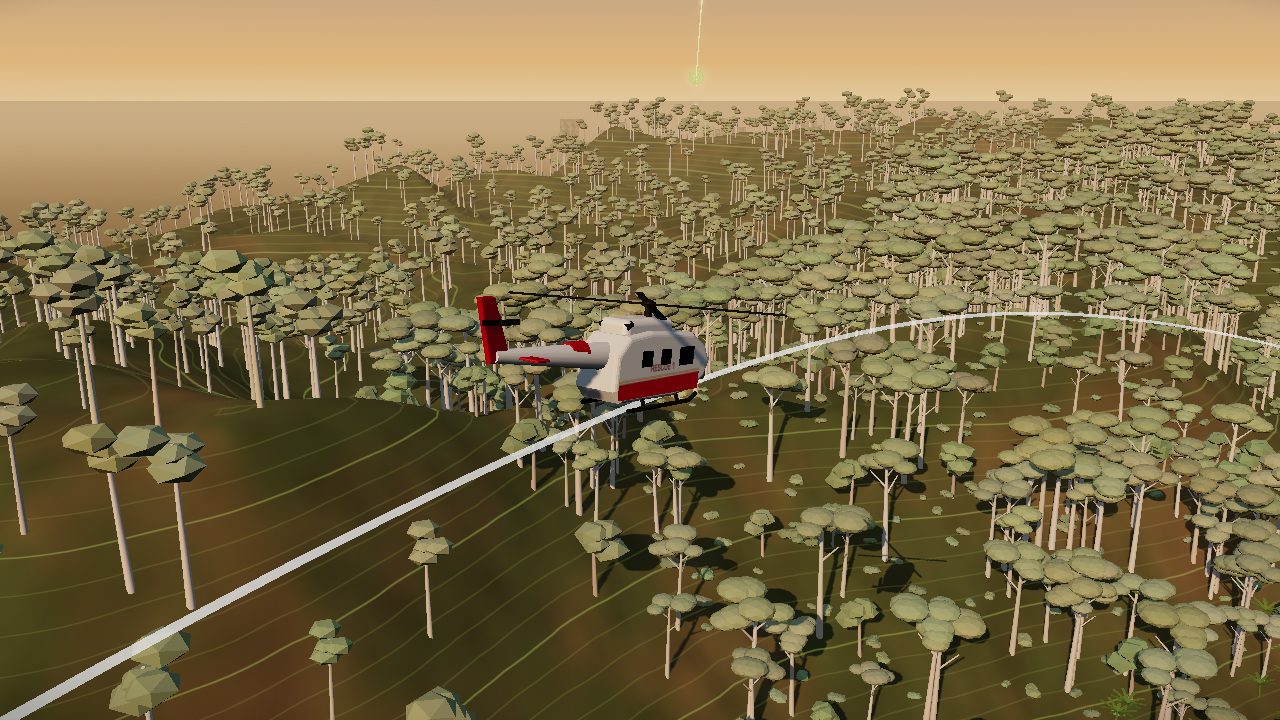 National parks
A ranger falls on wet rocks deep in a gorge with no road access. The helicopter goes.
Watch the scenarioA small device a person working alone can press to call for help. With Lone Worker SOS, pressing the button sends an alarm to a control centre, which sees who needs help and where the alarm was received, and dispatches a responder.
Yes. A duress alarm, or personal duress alarm, is a device a worker uses to call for help in an emergency. Lone Worker SOS is a wearable duress alarm built for places beyond mobile coverage: one press of the panic button sends the alarm to a control centre.
Yes. That is what it is built for. The button talks to a long-range radio gateway in the work vehicle, and the vehicle sends the alarm out over mobile where there is signal, or by satellite where there isn't. If every link is down, the alarm is held and forwarded as soon as one returns.
The alarm reaches the control centre console. The operator sees the worker, the button and where the alarm was received on a live map, acknowledges it, follows the playbook, and dispatches the best-placed responder, ranked by AI assist. The responder gets the route and a radio brief, and every action is logged.
One thing: when pressed, it sends the alarm. It is deliberately simple, so there is nothing to configure or get wrong in an emergency.
Under the model Work Health and Safety Regulations (regulation 48), a business must manage the risks of remote or isolated work and provide a system of work that includes effective communication with the worker. Victoria has its own OHS laws. See our guide to working alone laws in Australia.
Any organisation with people working alone or in isolated places: utilities, mining, rail, energy networks, agriculture, national parks, councils and field service teams across Australia.